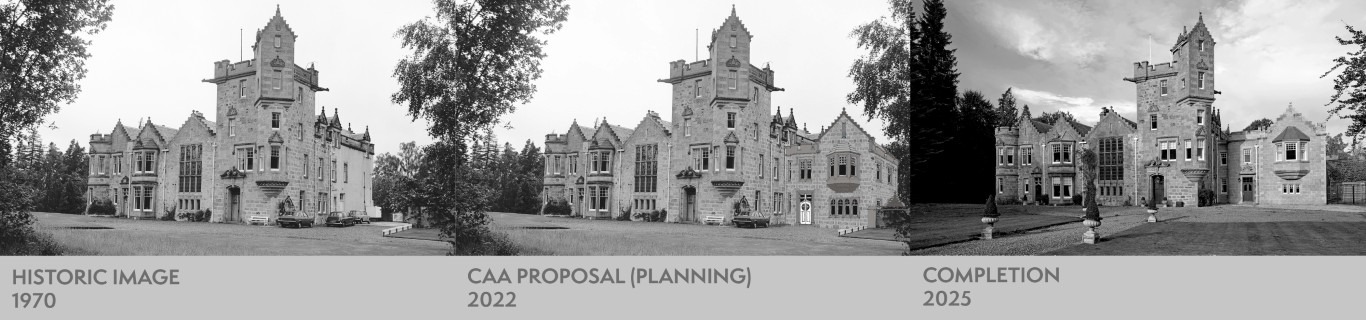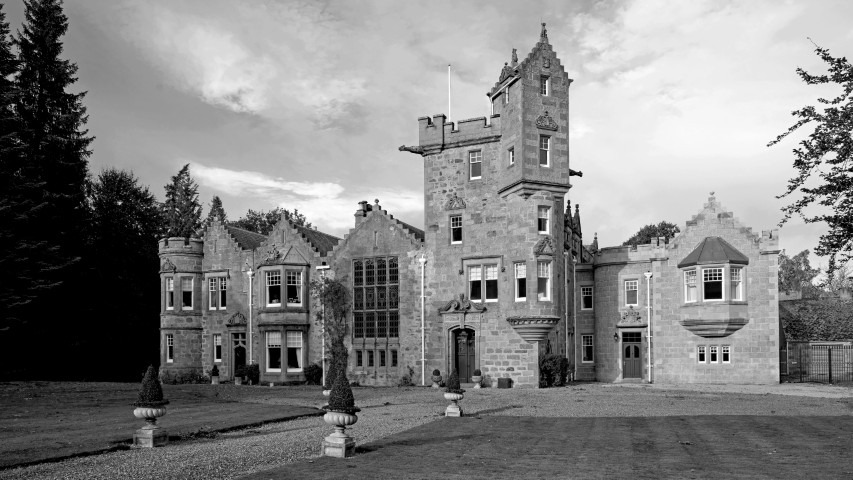

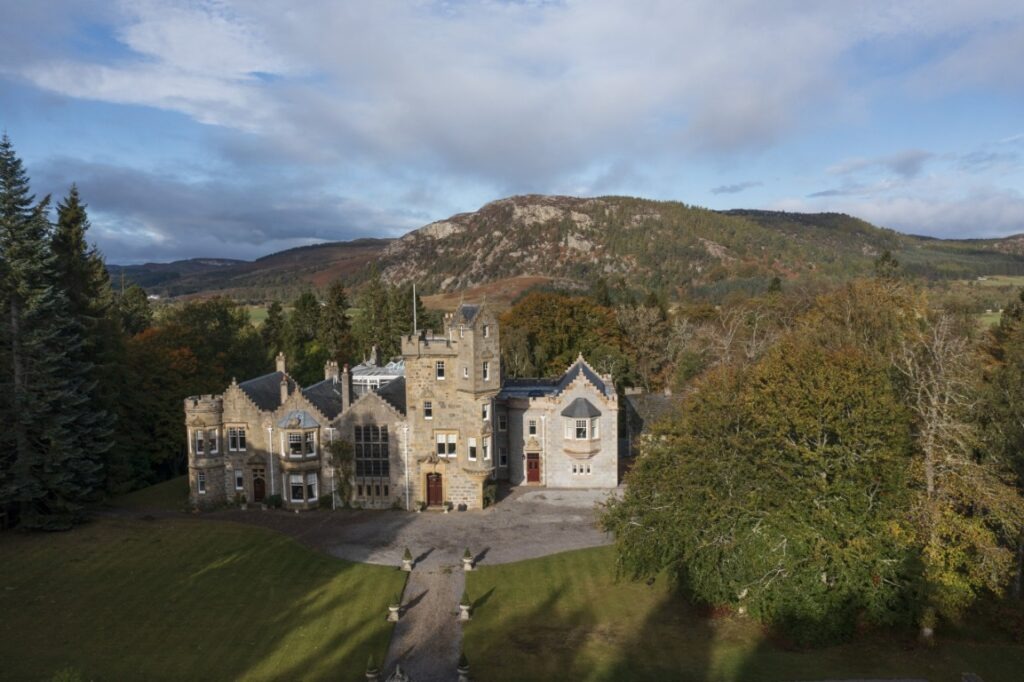
We are delighted to have recently completed this fascinating conservation project near Inverness. The project restores balance and clarity to a remarkable early 20th-century baronial composition by reinstating a lost wing to a Category B-listed estate house set within Strathnairn, the broad glen that follows the River Nairn southwest of the Highland Capital.
Set within mature woodland south of Inverness, the house is defined by its crowstepped gables, corbelled detailing and a distinctive four-storey tower. The demolition of its original north wing in the 1960s left the building subtly unresolved; the tower appearing overly dominant and the architectural hierarchy weakened.
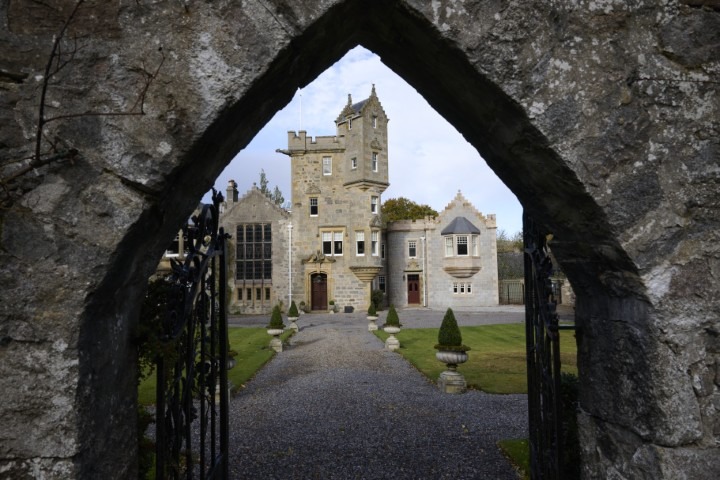
Our brief was to reinstate that missing wing and re-establish the building’s intended form. Working from historic plans and archive material, we carefully reconstructed the footprint, scale and massing of the former two-storey service wing. The new extension follows the original logic; set back from the principal elevation so the tower retains its prominence. The composition once again reads as a cohesive whole.
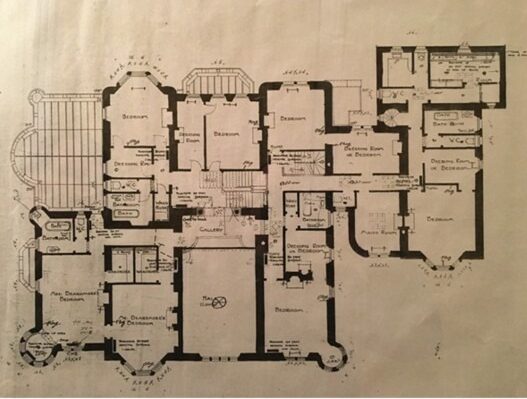
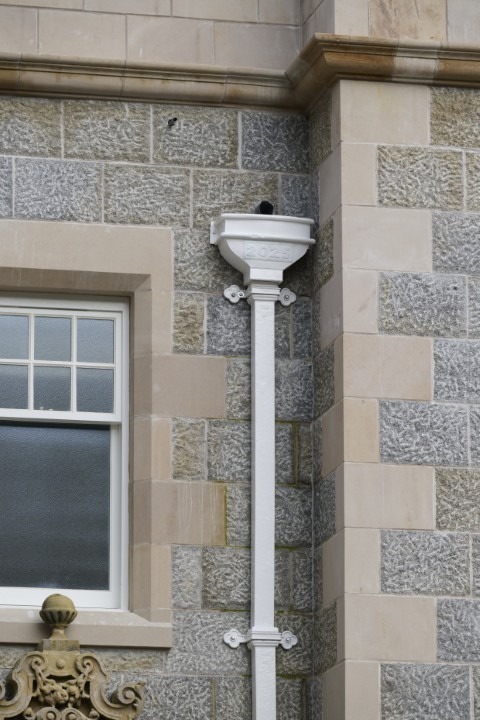
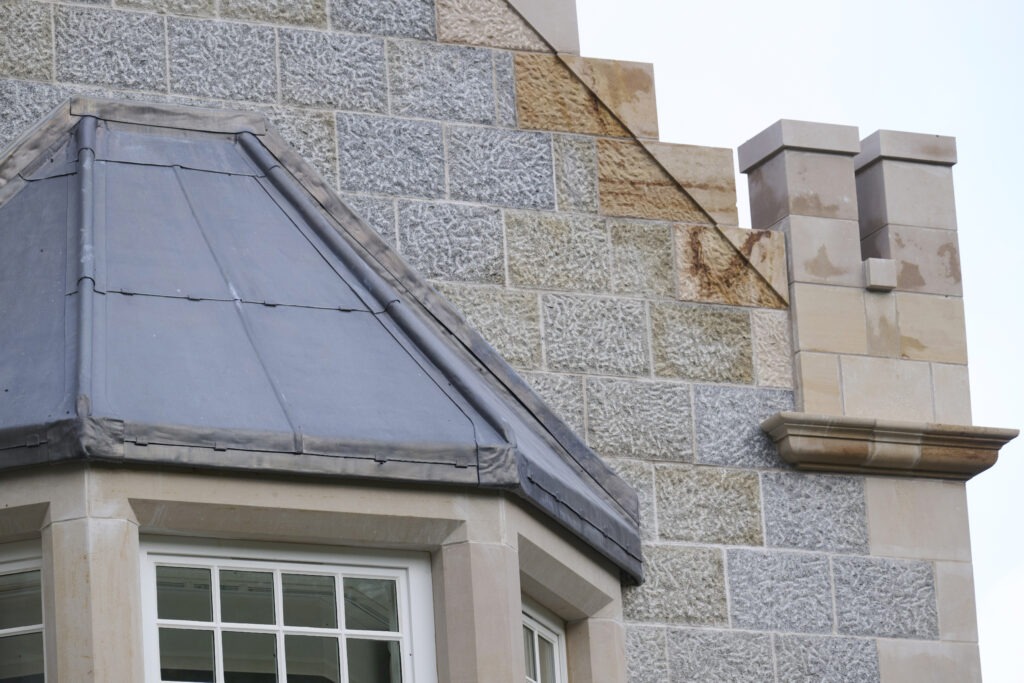
Material integrity was central to the project. Ashlar stone was sourced and detailed to align with existing coursing and tooling. Lime harling was used to reflect historic finishes to the secondary elevations. New timber sash and case windows replicate original proportions and glazing patterns, and rainwater goods were deliberately positioned to conceal junctions and maintain visual continuity. Each decision was made in dialogue with the existing fabric, ensuring the intervention feels confident, disciplined and entirely at home.
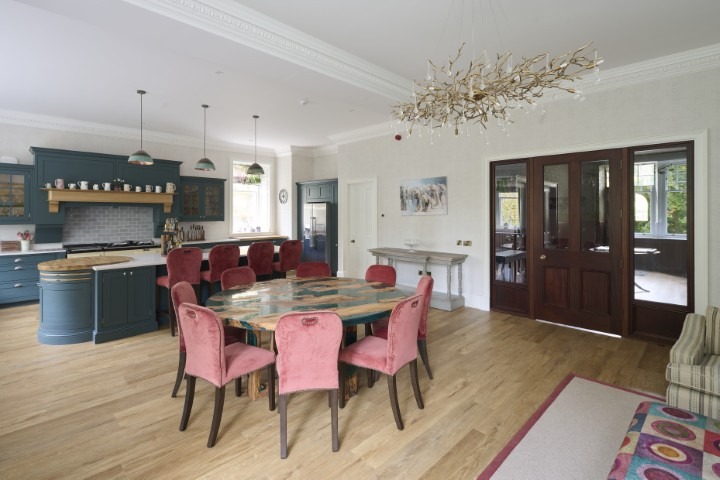
Internally, the reinstated wing provides contemporary kitchen and dining accommodation with supporting spaces at ground floor and additional rooms above. Existing openings were reinstated where possible, allowing the extension to reconnect naturally with the original plan form while supporting modern family living.
The new wing has been built to exceed Building Regulations Standards for thermal performance, and is self-sufficient in terms of its heating and hot water provision, utilising an air-source heat pump heating system.
This project reflects our approach to conservation architecture at CAA; rigorous research, precise detailing and a belief that sensitive reinstatement can enhance rather than dilute historic character. By completing the missing piece, the house has regained its compositional balance and architectural strength; ready for its next chapter.